Sourcing
What Is Wholesale? Meaning, How It Works, Pricing, and Real Examples
Wholesale is more than buying products in bulk at lower prices. This guide explains how wholesale businesses operate, where they earn their margins, what risks they face, and how to start buying or selling wholesale in the United States.
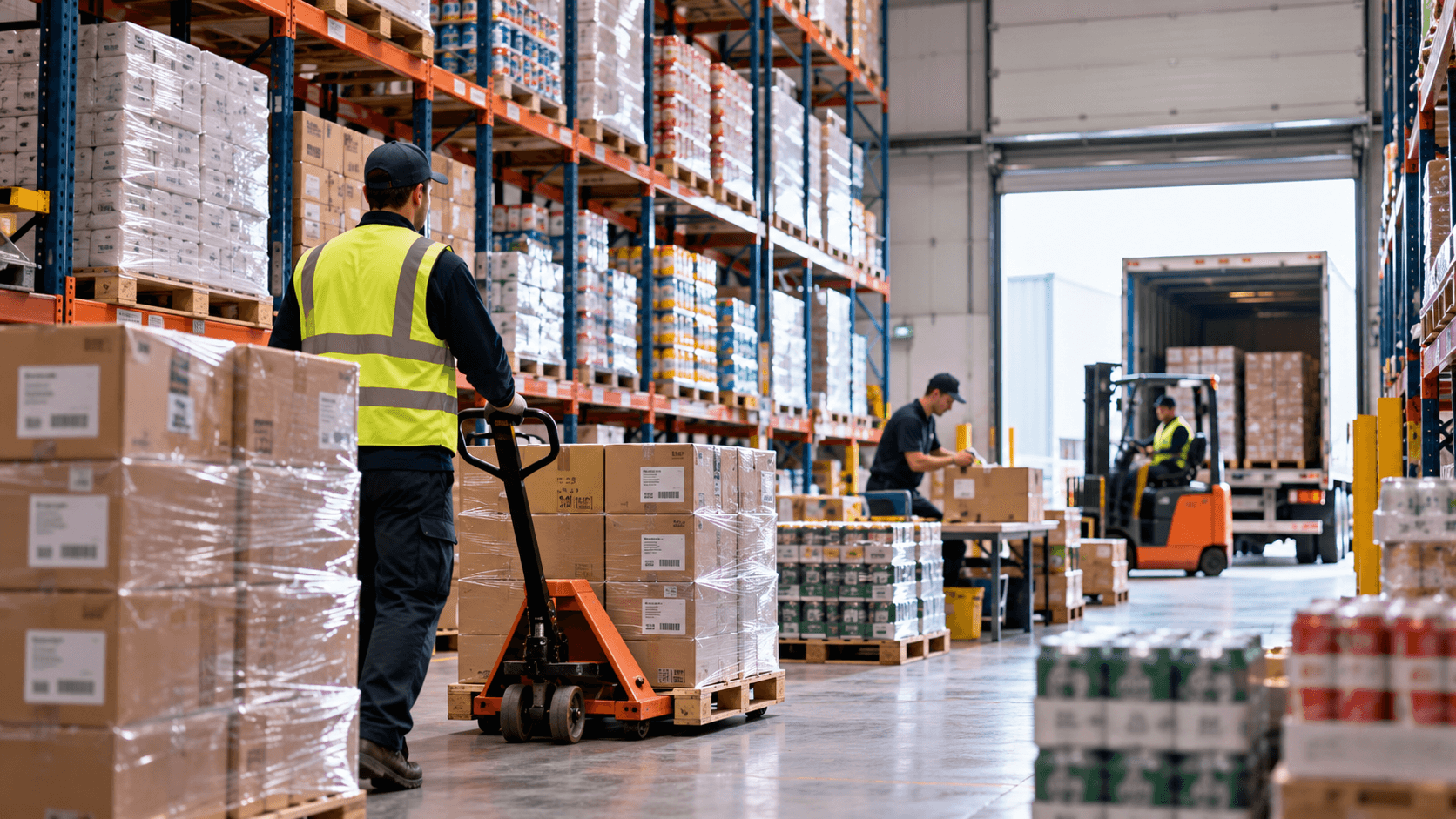
What is wholesale? Wholesale is the sale of goods primarily to businesses for resale, commercial use, or production rather than directly to individual consumers. Wholesale businesses commonly buy products in larger quantities, negotiate volume-based prices, and supply retailers, contractors, restaurants, institutions, and other business customers.
Wholesale is an essential part of the supply chain because manufacturers cannot always serve thousands of individual business buyers efficiently. Wholesalers bridge that gap by sourcing products, maintaining inventory, consolidating orders, arranging deliveries, and providing purchasing terms that make business procurement easier. Although wholesale is closely associated with bulk discounts, order size alone does not determine whether a transaction qualifies as wholesale trade.
Understanding what wholesale means also requires knowing how it differs from retail and distribution. A wholesale business may earn money through product resale margins, while another company operates as an agent and collects commissions without purchasing the goods. The right structure depends on the products, customers, supplier relationships, working capital, and operational responsibilities involved.
What Is Wholesale? Definition and Meaning
Wholesale means selling goods primarily to other businesses rather than to individual consumers purchasing for personal use. In the United States, the U.S. Census Bureau classifies wholesale trade under NAICS Sector 42, covering businesses involved in selling or arranging the sale of merchandise, generally without transforming it. This includes products purchased for resale, equipment used by businesses, and materials supplied for production.
The traditional wholesale model involves buying products from a manufacturer and reselling them to retailers or other commercial buyers. A food wholesaler, for example, might purchase packaged ingredients by the pallet and supply individual restaurants in smaller case quantities. An industrial wholesaler might purchase tools, replacement components, or electrical supplies and deliver them to contractors and manufacturers.
However, wholesale does not always require a large warehouse or enormous purchase quantities. Some wholesalers arrange transactions without owning the products, and some suppliers accept relatively small opening orders from new business customers. What matters most is the commercial purpose of the transaction and the role the company plays in moving goods through the market.
What Does Wholesale Mean in Simple Terms?
Wholesale means supplying products to businesses that need inventory, materials, equipment, or merchandise rather than primarily selling individual products to shoppers. A wholesaler typically purchases or arranges goods at a commercial price and makes them available to buyers who need reliable supply. Those buyers may resell the merchandise or use it to operate their own businesses.
Consider a manufacturer producing reusable water bottles. Instead of individually selling every bottle to consumers, the manufacturer can supply a wholesaler that serves hundreds of retail stores. The wholesaler manages smaller retailer orders, product availability, deliveries, and business relationships, allowing the manufacturer to concentrate more resources on production.
How Does Wholesale Work?
Wholesale works by connecting product suppliers with business customers through purchasing, inventory management, pricing, and distribution. In the merchant wholesale model, a wholesaler buys products, takes ownership of the inventory, and resells them at prices intended to cover costs and produce a profit. Other wholesale models involve arranging sales on behalf of manufacturers without taking ownership.
A conventional wholesale transaction follows a predictable sequence. The wholesaler identifies demand, negotiates purchasing terms, obtains products, and makes them available to commercial buyers. Customers then place orders according to agreed prices, quantities, payment terms, and delivery schedules.
A typical process includes:
- Supplier selection: The wholesaler identifies manufacturers or other suppliers capable of delivering suitable products.
- Price negotiation: The parties agree on purchase prices, minimum quantities, payment terms, and delivery responsibilities.
- Inventory acquisition: The wholesaler purchases goods or arranges access to inventory under the selected business model.
- Storage and inventory control: Products are received, inspected, stored, and tracked until needed.
- B2B sales: Retailers, contractors, or other commercial customers place orders.
- Order fulfillment: Products are picked, packed, shipped, and delivered.
- Payment and replenishment: The wholesaler collects payment, evaluates sales performance, and purchases replacement stock.
This workflow becomes increasingly complex as the business expands into additional products, customers, and warehouses. Reliable inventory information and order processing are especially important because stockouts can interrupt customer operations. A structured order fulfillment process helps businesses connect purchasing commitments with actual deliveries.
Wholesale Example: How One Product Moves Through the Supply Chain
A simple example shows what wholesale means financially and operationally. Imagine a manufacturer selling insulated bottles to a regional wholesaler, which then supplies an independent retailer. The retailer eventually sells the bottles to consumers.
Illustrative prices only. Actual prices and margins depend on the industry, contract terms, operating costs, and market conditions.
In this example, the wholesaler purchases 1,000 bottles for $8,000 and sells them for $12,000. The $4,000 difference is the gross trading spread before additional expenses, not the company's net profit. Freight, storage, insurance, damaged merchandise, employee compensation, payment processing, and other costs reduce what the business ultimately earns.
The retailer also has expenses beyond its $12 purchase price. Even though the final consumer pays $20, the retailer must account for marketing, payment fees, labor, returns, overhead, and potentially shipping. Understanding what wholesale contributes at each stage prevents the common mistake of confusing a selling-price difference with actual profitability.
| Supply chain stage | Price per unit | Business activity |
| Manufacturer | $8 | Produces and sells the bottle |
| Wholesaler | $12 | Purchases, stores, and supplies retailers |
| Retailer | $20 | Markets and sells to final consumers |
Wholesale vs. Retail: What Is the Difference?
The main difference between wholesale and retail is the customer being served. Wholesale generally supplies businesses, while retail sells products directly to final consumers. Both models involve purchasing and selling merchandise, but their order sizes, pricing structures, customer acquisition methods, and operating requirements often differ.
Wholesale businesses frequently depend on repeat B2B orders from a smaller number of commercial accounts. Retailers typically serve a larger number of individual consumers and invest more heavily in consumer marketing, merchandising, and checkout experiences. Neither model automatically guarantees higher profits, because profitability depends on margins, volume, expenses, and capital requirements.
A company can operate both wholesale and retail channels simultaneously. For example, a manufacturer may sell products directly to shoppers through an ecommerce website while also supplying retail stores at wholesale prices. This hybrid approach creates additional revenue opportunities but requires careful management of channel pricing, inventory allocation, and customer expectations.
Is Wholesale Always Cheaper Than Retail?
Wholesale prices are generally lower per unit than consumer retail prices for comparable products, but the actual total cost depends on the order. A buyer may receive a substantial unit discount while facing minimum quantities, freight charges, storage expenses, or nonreturnable merchandise. A smaller retailer can therefore pay less per item yet tie up more cash than expected.
For instance, purchasing 500 units at $6 each requires $3,000 before shipping and other charges. Buying just 50 units at $8 each costs $400, even though the unit price is higher. The best purchasing decision depends on expected sales, available cash, storage capacity, and how quickly the inventory can be sold.
| Feature | Wholesale | Retail |
| Primary customer | Businesses and organizations | Individual consumers |
| Typical order size | Multiple units, cases, or pallets | Single units or small quantities |
| Pricing | Negotiated or volume-based | Consumer-facing prices |
| Customer relationships | Recurring B2B accounts | Consumer transactions and loyalty |
| Marketing | Account development and industry relationships | Consumer advertising and merchandising |
| Payment terms | Immediate or negotiated credit | Usually payment at checkout |
| Inventory requirements | Often substantial, depending on the model | Varies by retail format |
| Main operational challenge | Inventory, working capital, and fulfillment | Consumer demand and acquisition costs |
What Is a Wholesaler?
A wholesaler is a business that sells merchandise primarily to other businesses, either by purchasing and reselling products or by arranging commercial transactions. Traditional merchant wholesalers own the goods they sell and earn revenue from the difference between selling prices and acquisition costs. Wholesale agents and brokers typically facilitate transactions and receive fees or commissions without taking title to the merchandise.
Wholesalers make it easier for business customers to obtain products from multiple manufacturers through fewer purchasing relationships. They may provide inventory availability, smaller order quantities than manufacturers accept, consolidated deliveries, commercial credit, and product expertise. These services create value even when a wholesaler does not manufacture anything.
A restaurant supply wholesaler illustrates the model clearly. Instead of purchasing packaging, cleaning products, ingredients, and disposable supplies from separate manufacturers, a restaurant can order from one wholesale supplier. The wholesaler reduces procurement complexity by combining products and arranging predictable deliveries.
Types of Wholesale Businesses
Wholesale businesses generally operate as merchant wholesalers, distributors, agents, brokers, or specialized suppliers. Each structure serves business buyers, but the differences in inventory ownership, sales responsibility, and revenue generation significantly affect startup costs and risk. Choosing an appropriate model is one of the first major decisions for a new wholesale operation.
Merchant Wholesalers
Merchant wholesalers purchase products, take ownership, and resell them to other businesses. They frequently maintain inventory and operate warehouses, although some rely on third-party fulfillment providers. Their profitability depends on purchasing discipline, pricing, inventory turnover, operating efficiency, and customer demand.
These companies carry inventory risk because products can become obsolete, damaged, or difficult to sell. They also need sufficient working capital to purchase replacement stock before all customer invoices have been paid. The model offers control over inventory and customer service but creates meaningful financial commitments.
Wholesale Distributors
Wholesale distributors generally supply products across a defined market, territory, customer network, or industry. They may have formal relationships with manufacturers and provide services such as market development, technical assistance, product training, forecasting, or dealer support. In U.S. industry classification, merchant distributors are part of the broader wholesale trade sector.
A distributor might specialize in industrial components, building supplies, medical equipment, or consumer products. Its commercial value often extends beyond negotiating low purchase prices to maintaining product availability and supporting buyers. For a closer comparison of the roles, see Wholesaler vs. Distributor vs. Retailer.
Wholesale Agents and Brokers
Wholesale agents and brokers connect buyers with sellers without generally purchasing and owning the merchandise themselves. They earn commissions or negotiated fees by arranging transactions, representing manufacturers, or assisting commercial customers with procurement. Under the U.S. Census Bureau's wholesale classification, these intermediaries are recognized as part of wholesale trade.
This model can require less capital for inventory because the intermediary does not necessarily finance merchandise purchases. However, the business still needs expertise, customer relationships, and dependable supplier agreements. Revenue depends heavily on transaction volume, commission arrangements, and the ability to retain commercial accounts.
Specialized Wholesalers
Specialized wholesalers focus on particular industries or product categories rather than serving every type of customer. Examples include automotive parts wholesalers, foodservice suppliers, electrical distributors, agricultural suppliers, and pharmaceutical wholesalers. Some industries require additional licensing, traceability, temperature controls, or product handling procedures.
Specialization can help a business develop stronger supplier knowledge and more relevant customer relationships. It may also create opportunities to offer technical support, emergency deliveries, specialized packaging, or application-specific advice. However, concentrating on one category can increase exposure to seasonal demand, regulatory requirements, and supplier disruptions.
What Is Wholesale Pricing?
Wholesale pricing is the price charged for products sold to business buyers, commonly reflecting purchase volume, commercial terms, and the seller's operating costs. Wholesale prices are often below consumer retail prices because the seller is supplying another business rather than completing the final consumer sale. However, the price must still support the wholesaler's purchasing expenses, operating costs, and required profit.
Wholesale pricing usually begins with the total cost of acquiring merchandise. This may include the supplier invoice, inbound freight, customs duties where applicable, handling, and other directly attributable inventory costs. The business then establishes a selling price based on its target gross margin, competitive conditions, and service obligations.
How to Calculate a Wholesale Price
A common cost-based pricing method begins with unit cost and a target gross margin. Gross margin measures gross profit as a percentage of selling revenue, which is different from markup calculated as a percentage of cost. Confusing these calculations can result in a selling price that produces less profit than planned.
Wholesale selling price = Unit cost ÷ (1 − Target gross margin)
For example, assume the fully landed unit cost is $10 and the wholesaler wants a 25% gross margin.
$10 ÷ (1 − 0.25) = $13.33
The wholesale price would need to be approximately $13.33 to achieve a 25% gross margin on that unit, before considering operating expenses below gross profit. Pricing the same item at $12.50 represents a 25% markup on cost but only a 20% gross margin. The distinction matters when setting product prices across hundreds or thousands of SKUs.
Illustrative calculations rounded to two decimal places. The intended gross margin can differ slightly because of rounding.
This formula is a starting point rather than a universal pricing rule. A wholesaler must also consider the market price buyers will accept, quantity discounts, payment terms, freight responsibility, product returns, and inventory carrying costs. In competitive categories, a desired margin may not be commercially achievable.
Wholesale Price vs. Retail Price
The wholesale price is generally what a business buyer pays to acquire merchandise, while the retail price is what a final consumer pays. A retailer adds its own margin because it incurs additional expenses to make products available to consumers. Those costs may include physical stores, ecommerce operations, advertising, customer support, returns, and payment processing.
A product purchased for $15 and sold for $25 creates a $10 gross trading difference before any additional costs or cost adjustments. That does not mean the retailer earns $10 in net profit. Accurate pricing requires calculating every relevant expense and understanding which costs belong in inventory valuation, gross profit, or operating expenses.
| Unit cost | Target gross margin | Wholesale selling price |
| $10 | 15% | $11.76 |
| $10 | 20% | $12.50 |
| $10 | 25% | $13.33 |
| $10 | 30% | $14.29 |
| $10 | 35% | $15.38 |
How Do Wholesale Businesses Make Money?
Wholesale businesses make money primarily through resale margins or commissions, depending on whether they own the goods being sold. Merchant wholesalers generate gross profit when selling revenue exceeds the cost of goods sold, while agents and brokers generally earn fees for facilitating transactions. Additional service revenue may also come from value-added activities where commercially appropriate.
Successful wholesale operations balance relatively small per-unit contributions with purchasing volume, repeat orders, and efficient fulfillment. A business can generate substantial sales revenue but still struggle if freight costs, customer credit, inventory losses, and warehouse expenses consume its gross profit. Revenue growth is useful only when the company can finance and fulfill additional demand profitably.
Wholesale Profit Margin Example
Consider a small wholesaler selling 2,000 units during one month for $15 each. Assume its cost of goods sold is $21,000, including applicable product acquisition costs. The business generates $30,000 in revenue and $9,000 in gross profit.
Simplified illustration excluding financing expenses, income taxes, and other possible items.
The example demonstrates why wholesale businesses must distinguish gross margin from actual earnings. A 30% gross margin does not translate into a 30% operating or net profit margin. Warehouse expenses, sales compensation, administrative work, software, insurance, and financing can meaningfully change the final result.
| Monthly financial item | Amount |
| Units sold | 2,000 |
| Revenue | $30,000 |
| Cost of goods sold | $21,000 |
| Gross profit | $9,000 |
| Gross margin | 30% |
| Illustrative operating expenses | $6,500 |
| Illustrative operating profit | $2,500 |
How to Buy Wholesale Products
Buying wholesale products starts with finding legitimate suppliers, verifying commercial terms, and calculating the full cost of purchasing inventory. A low advertised unit price is not enough to make a supplier competitive. Buyers must evaluate product quality, minimum order quantities, delivery reliability, payment terms, return policies, and resale restrictions.
Businesses can source products directly from manufacturers, authorized distributors, wholesale importers, and B2B marketplaces. Each channel offers different advantages in pricing, product availability, supplier relationships, and operational flexibility. For a detailed selection process, review How to Find Wholesale Suppliers.
Before placing a purchase order, evaluate these considerations:
- Supplier legitimacy: Verify company details, business history, trade references, and authority to sell relevant brands.
- Product suitability: Review technical specifications, samples, certifications where applicable, and customer demand.
- Minimum order quantity: Confirm the smallest acceptable purchase and any case-pack requirements.
- Landed cost: Account for product cost, inbound freight, duties where applicable, and related acquisition expenses.
- Payment terms: Compare advance payment, cash on delivery, deposits, and available trade credit.
- Returns and warranties: Understand responsibilities for defective products, shortages, and unsold inventory.
- Lead times: Establish realistic delivery schedules and how disruptions will be communicated.
Wholesale marketplaces can simplify supplier discovery, but listings should not substitute for independent verification. Buyers should understand who is selling the merchandise, whether the supplier owns it, and who is responsible if a shipment fails to meet expectations. Our comparison of B2B wholesale marketplaces provides a starting point for evaluating sourcing channels.
Do You Need a Business License to Buy Wholesale?
Wholesale purchasing requirements depend on the supplier, product category, state, and intended use of the merchandise. Suppliers may request business registration information or documentation demonstrating that the customer purchases products for resale. Some products and industries have additional licensing or regulatory requirements.
In the United States, resale certificates are commonly used to document qualifying purchases intended for resale under applicable state sales tax rules. A resale certificate is not necessarily the same as a business license, and possessing one does not automatically exempt every transaction from tax. Buyers should verify state-specific requirements before claiming a resale exemption.
What Is a Minimum Order Quantity in Wholesale?
A minimum order quantity (MOQ) is the smallest quantity of goods a supplier will accept in a single order under specified terms. A supplier may establish an MOQ to make manufacturing runs, packaging, shipping, or administrative processing economically practical. Minimum quantities can apply to individual products, product variants, cases, pallets, or total order value.
An MOQ protects the supplier's operating economics but can create inventory and cash-flow challenges for the buyer. For example, a supplier requiring 1,000 units at $5 each creates a $5,000 purchasing commitment before additional expenses. If the buyer sells only 100 units per month, that inventory represents approximately ten months of sales at the current rate.
Negotiating smaller opening orders, mixed-product minimums, scheduled deliveries, or different payment arrangements may reduce the initial commitment. Buyers should also calculate how quickly the products are likely to sell and how much working capital will remain after purchasing. The detailed guide to minimum order quantity (MOQ) explains how distributors evaluate and negotiate these terms.
How to Start a Wholesale Business
Starting a wholesale business requires selecting a viable market, identifying suppliers, calculating financial requirements, and developing a repeatable B2B sales process. The initial challenge is not simply locating inexpensive products. A sustainable operation must find commercial customers willing to buy those products at prices that support the business's costs and service commitments.
Wholesale businesses can begin with a relatively narrow product assortment and expand as customer demand becomes more predictable. However, the required capital varies significantly depending on inventory ownership, payment terms, warehouse operations, product regulations, and shipping requirements. A commission-based brokerage operation has a different capital profile from an inventory-heavy regional distributor.
Step 1: Select a Wholesale Market
A wholesale business should begin by identifying commercial customers and understanding their purchasing needs. Common markets include foodservice, industrial supplies, building materials, packaging, consumer goods, and automotive parts. The best niche is one where the business can demonstrate a meaningful supply, pricing, availability, or service advantage.
Research should include customer purchasing frequency, average order size, competitive suppliers, product margins, seasonality, and potential supplier concentration. A market with frequent repeat purchases can be attractive, but demand alone does not guarantee profitability. Distribution complexity, credit exposure, and inventory requirements must also be evaluated.
Step 2: Find Manufacturers and Suppliers
Finding suppliers involves identifying companies that can provide products consistently at commercially viable prices. Direct manufacturer relationships may offer favorable purchasing terms or clearer product support, while existing wholesalers can provide broader assortments and smaller opening commitments. The right choice depends on the business's expected volumes and service requirements.
Supplier evaluation should include financial reliability, quality control, lead times, product documentation, and the ability to replenish stock. Important terms should be documented rather than assumed from sales conversations. The guide to negotiating with suppliers covers commercial provisions that affect distributor margins and purchasing risk.
Step 3: Calculate Startup Costs and Working Capital
Startup costs for wholesale businesses may include inventory, business registration, insurance, storage, equipment, software, marketing, freight, and professional services. Businesses offering customers payment terms may also need to finance inventory and expenses while waiting to collect invoices. Working capital is therefore just as important as the initial purchase budget.
A distributor that pays suppliers in 15 days but collects from customers in 45 days can experience a significant cash-flow gap even while reporting profitable sales. This gap becomes larger when purchasing volumes increase faster than customer payments. Our distribution business startup cost guide explains the main budget categories and planning considerations.
Step 4: Build an Inventory and Fulfillment Process
Wholesale operations need reliable methods for receiving products, tracking quantities, processing orders, and completing deliveries. Even a small business should know which products are available, which are committed to customer orders, and when replacement inventory is expected. Poor inventory visibility can lead to overselling, emergency freight expenses, and disappointed commercial buyers.
A warehouse is not always necessary at launch because some operations can use third-party logistics providers or supplier-direct fulfillment. Nevertheless, responsibilities for accuracy, damages, order processing, and returns must be established. Effective inventory management for distribution helps protect both customer service and working capital.
Step 5: Acquire and Retain Wholesale Customers
Wholesale sales depend on identifying businesses that need the products and demonstrating a credible reason to buy from the supplier. Common approaches include direct outreach, industry trade shows, referrals, manufacturer relationships, online B2B catalogs, and targeted search marketing. Pricing matters, but buyers also value availability, delivery consistency, communication, and dependable support.
Long-term relationships often become more important than individual transactions because repeat orders can reduce customer acquisition costs. Businesses should track account profitability, order frequency, fill rates, payment performance, and customer retention. The complete guide to becoming a distributor provides a more detailed framework for developing the business model.
Advantages and Disadvantages of Wholesale
Wholesale offers the opportunity to build recurring B2B revenue, but it also introduces inventory, credit, supplier, and fulfillment risks. The model can be attractive when customers place frequent orders and suppliers provide dependable access to products. However, operational weaknesses can quickly erode profit even when sales volumes appear strong.
The strongest wholesale operations develop reliable purchasing, pricing, and fulfillment processes rather than competing exclusively on low prices. Businesses that understand customer demand and inventory turnover can make more informed purchasing commitments. Those that expand inventory too aggressively may experience cash-flow problems despite growing revenue.
| Advantages | Disadvantages |
| Potential for recurring B2B orders | Significant working capital requirements |
| Larger average transactions | Inventory carrying and obsolescence risk |
| Opportunities for volume purchasing discounts | Pressure on gross margins |
| Long-term supplier and customer relationships | Customer credit and late-payment exposure |
| Potential to serve multiple business markets | Warehouse and fulfillment complexity |
| Ability to build specialized industry expertise | Dependence on reliable suppliers |
Common Wholesale Terms Explained
Understanding wholesale terminology helps buyers and sellers interpret contracts, purchasing requirements, inventory reports, and pricing decisions. Several terms appear repeatedly in supplier agreements and B2B transactions. Learning their meaning reduces the risk of confusing commercial prices, quantities, and operational responsibilities.
These terms are interconnected in actual wholesale operations. For example, a large MOQ may increase purchasing discounts while reducing inventory turnover and increasing storage expenses. Similarly, extended customer payment terms can support sales growth while increasing the amount of working capital required.
| Term | Meaning |
| B2B | Business-to-business sales or transactions |
| MOQ | Minimum order quantity accepted by a supplier |
| MOV | Minimum order value required for a purchase |
| SKU | Stock keeping unit used to identify a product or variation |
| COGS | Cost of goods sold |
| Gross margin | Gross profit divided by sales revenue |
| Markup | Amount added above cost, expressed relative to cost |
| Lead time | Time between ordering and receiving goods |
| Purchase order | Document specifying goods, quantities, prices, and purchasing terms |
| Net 30 | Payment term generally requiring payment within 30 days under the agreed terms |
| Inventory turnover | Measure of how frequently inventory is sold and replaced |
| 3PL | Third-party logistics provider |
| Landed cost | Total relevant cost of bringing products to their intended destination |
| Resale certificate | Documentation used to support qualifying purchases for resale under applicable rules |
Is Wholesale a Good Business Model?
Wholesale can be a viable business model when dependable customer demand, disciplined purchasing, and efficient operations create sustainable margins. Its main attraction is the possibility of serving repeat commercial customers without having to sell every unit individually to a consumer. However, attractive order values do not automatically result in strong cash flow or consistent profits.
The business is particularly dependent on understanding the economics of inventory. Products must be acquired at viable prices, sold within a reasonable period, and delivered at costs that do not eliminate the margin. Customer concentration, supplier dependency, credit terms, and returns can all affect the financial outcome.
For entrepreneurs evaluating what wholesale could offer, the most useful starting point is a realistic financial model rather than a general promise of bulk-selling profits. Estimate customer demand, average gross margin, inventory investment, operating expenses, and the timing of supplier and customer payments. A sustainable wholesale business is built on repeatable economics, not purchasing volume alone.
Frequently Asked Questions About Wholesale
What is wholesale in simple words?
Wholesale is the sale of products mainly to businesses rather than individual consumers. A wholesaler may buy goods from manufacturers and resell them to retailers, contractors, or other commercial customers. Wholesale businesses commonly use volume-based pricing and repeat purchasing relationships.
What is an example of wholesale?
A packaging wholesaler buying thousands of boxes from a manufacturer and selling smaller quantities to ecommerce companies is an example of wholesale. The wholesaler helps multiple businesses access suitable inventory without individually negotiating large factory orders. It earns revenue by providing the products and associated distribution services.
What is the difference between wholesale and retail?
Wholesale generally supplies products to businesses, while retail sells to final consumers. Wholesale transactions often involve commercial pricing, recurring accounts, and larger order quantities. Retail transactions are usually oriented toward individual consumer purchases, merchandising, and consumer service.
Can anyone buy products wholesale?
Wholesale purchasing eligibility depends on the supplier and the products involved. Some suppliers accept small business buyers with basic registration information, while others require commercial accounts, minimum orders, resale documentation, or additional credentials. Buyers should verify purchasing requirements and applicable taxes before placing an order.
Do wholesalers sell directly to consumers?
Some wholesalers also operate retail channels and sell products directly to consumers. However, wholesale trade primarily concerns business-oriented merchandise sales and related commercial transactions. A company operating both wholesale and retail functions may need separate pricing structures, ordering processes, and inventory policies.
What is the difference between a wholesaler and a distributor?
A wholesaler generally focuses on supplying merchandise to other businesses, while a distributor may also develop manufacturer relationships, territories, dealer networks, or specialized services. The roles overlap, and merchant distributors are included within the broader U.S. wholesale trade sector. The practical differences depend on inventory ownership, supplier agreements, customer responsibilities, and channel strategy.
How much profit does a wholesale business make?
Wholesale profit varies by product category, purchasing arrangements, pricing, inventory turnover, and operating efficiency. Gross margin represents the difference between sales and cost of goods sold relative to revenue, while operating and net profit also reflect additional expenses. No single profit percentage accurately describes every wholesale industry or business model.
Final Takeaway: Understanding How Wholesale Works
What is wholesale ultimately about? Wholesale is a business-to-business way of moving products from suppliers to the organizations that need them. It can involve purchasing and reselling inventory, developing distribution channels, consolidating commercial orders, or arranging transactions for a commission. The business creates value when it makes products more accessible, reliable, and economical for its customers.
For prospective wholesalers, the central challenge is not merely finding low-cost merchandise. It is building a purchasing, pricing, inventory, and customer service system that can generate repeat sales without exhausting working capital. Understanding these fundamentals provides a stronger foundation for deciding whether wholesale is the right business model and how to develop it sustainably.
Frequently Asked Questions
- What is wholesale in simple words?
- Wholesale is the sale of products mainly to businesses rather than individual consumers. A wholesaler may buy goods from manufacturers and resell them to retailers, contractors, or other commercial customers. Wholesale businesses commonly use volume-based pricing and repeat purchasing relationships.
- What is an example of wholesale?
- A packaging wholesaler buying thousands of boxes from a manufacturer and selling smaller quantities to ecommerce companies is an example of wholesale. The wholesaler helps multiple businesses access suitable inventory without individually negotiating large factory orders. It earns revenue by providing the products and associated distribution services.
- What is the difference between wholesale and retail?
- Wholesale generally supplies products to businesses, while retail sells to final consumers. Wholesale transactions often involve commercial pricing, recurring accounts, and larger order quantities. Retail transactions are usually oriented toward individual consumer purchases, merchandising, and consumer service.
- Can anyone buy products wholesale?
- Wholesale purchasing eligibility depends on the supplier and the products involved. Some suppliers accept small business buyers with basic registration information, while others require commercial accounts, minimum orders, resale documentation, or additional credentials. Buyers should verify purchasing requirements and applicable taxes before placing an order.
- Do wholesalers sell directly to consumers?
- Some wholesalers also operate retail channels and sell products directly to consumers. However, wholesale trade primarily concerns business-oriented merchandise sales and related commercial transactions. A company operating both wholesale and retail functions may need separate pricing structures, ordering processes, and inventory policies.
- What is the difference between a wholesaler and a distributor?
- A wholesaler generally focuses on supplying merchandise to other businesses, while a distributor may also develop manufacturer relationships, territories, dealer networks, or specialized services. The roles overlap, and merchant distributors are included within the broader U.S. wholesale trade sector. The practical differences depend on inventory ownership, supplier agreements, customer responsibilities, and channel strategy.
- How much profit does a wholesale business make?
- Wholesale profit varies by product category, purchasing arrangements, pricing, inventory turnover, and operating efficiency. Gross margin represents the difference between sales and cost of goods sold relative to revenue, while operating and net profit also reflect additional expenses. No single profit percentage accurately describes every wholesale industry or business model.
Written by

James Cole
James Cole is a wholesale operator who has run distribution P&Ls through first-warehouse launch, inventory turns, trade credit, and EDI-backed accounts.
Published October 21, 2026
